How Septic Pumping Helps Protect Family Health & Safety
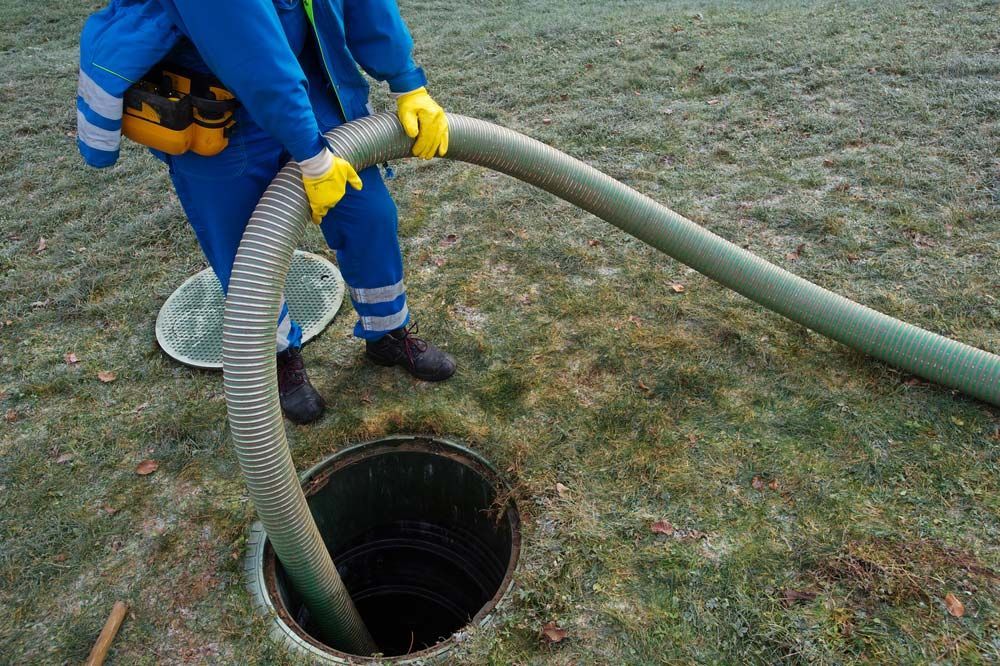
A septic system works quietly in the background, until the day it does not. For many rural households, that first sign of trouble, a slow drain or a faint odour near the yard, marks the moment septic pumping shifts from an abstract task to an urgent one. Regular septic pumping guards against harmful bacteria, wastewater exposure and unsanitary living conditions, and it plays a bigger role in family health than most people realise.
Why Septic Systems Need Regular Attention
Septic systems are built to be low-maintenance, not maintenance-free. Solid waste settles at the bottom of the tank over time, and once it builds up beyond a certain point, the system loses its ability to treat wastewater properly. This is why septic pumping near me is one of the most common searches from homeowners once they notice something is off, though scheduling pumping before problems appear is the better approach.
- Tanks are typically designed to hold waste for a set period before pumping is needed
- Skipping scheduled pumping increases pressure on the drain field
- Early servicing is far simpler and less costly than emergency repairs
What Happens When a Septic Tank Overflows?
An overflowing tank is not just an inconvenience. It sends untreated wastewater back into the home through drains, or out into the surrounding yard, both of which carry genuine health risks. Once a tank reaches capacity, the treatment process breaks down entirely.
- Backflow can affect toilets, sinks and showers
- Saturated drain fields struggle to filter wastewater properly
- Pooling wastewater on the surface creates an ongoing contamination risk
Professional septic pumping removes accumulated solids before this point, keeping the system operating as intended.
Signs Your Septic System May Need Pumping
Most septic issues give some warning before they become serious. Recognising these signs early allows a household to arrange servicing on their own terms rather than during an emergency.
- Slow-draining sinks, showers or toilets across the property
- Wet or unusually green patches over the drain field
- A persistent odour near the tank or drain field area
Each of these signs points to a system nearing, or already at, its limit.
A Rural Property Owner's Routine Check
Consider a household on a larger rural block that relies entirely on its septic system, with no connection to town sewerage. A simple seasonal habit, walking the drain field and checking for soft or damp ground, gives an early indication of how the system is coping.
- Seasonal walk-throughs help spot early warning signs
- Scheduled pumping intervals reduce the chance of surprises
- Combining both gives a clearer picture of system health over time
How Wastewater Exposure Affects Family Health
Untreated or partially treated wastewater carries bacteria, viruses and other pathogens that pose a genuine risk to anyone who comes into contact with it. This is particularly relevant for households with young children, older family members or anyone with a weakened immune system.
- Contact with contaminated water or soil can lead to gastrointestinal illness
- Airborne odours from a struggling system are a sign wastewater is not being processed correctly
- Groundwater contamination is a longer-term risk when systems are neglected
Septic pumping addresses the root cause by removing waste before it reaches a point where it can escape the system.
Protecting Children & Pets from Contamination Risks
Children and pets spend more time on the ground and in the yard than adults typically do, which puts them in closer contact with any contamination from a failing septic system. A yard that looks and smells normal on the surface can still carry risks if the system underneath is under strain.
- Pooling wastewater is often mistaken for ordinary puddles by young children or pets
- Soil contamination can persist even after surface water has dried up
- Regular pumping reduces the likelihood of wastewater ever reaching the surface
Keeping the septic system in good order is part of keeping the whole yard safe.
Landlords & Property Managers: What's Your Responsibility?
Landlords and property managers overseeing properties on septic systems carry a duty of care that goes beyond standard building maintenance. Tenants are not always familiar with how these systems work, which means responsibility for upkeep sits squarely with the property owner or manager.
- Scheduling regular pumping protects tenants from preventable health risks
- Documented servicing history supports compliance and record-keeping obligations
- Addressing tenant reports of slow drains or odours promptly avoids larger issues later
A well-maintained septic system reduces the likelihood of costly repairs falling on the owner down the track.
Building a Long-Term Maintenance Plan
A single pumping service solves an immediate problem, but a maintenance plan protects the property long term. Establishing a regular interval, based on tank size, household size and system age, turns septic care into a predictable part of property upkeep rather than a reactive expense.
- Set a pumping interval based on professional recommendations for the specific system
- Keep records of past servicing to track patterns over time
- Pair pumping with periodic inspections of the drain field and tank components
Approaching septic care this way keeps the system reliable and reduces the health risks associated with unexpected failures.
We at Luck's Waste Removal understand that households and property managers across Lismore and the Northern Rivers region rely on their septic systems every day, often without a second thought until an issue arises. Rural properties face unique challenges, from heavier seasonal rainfall to larger drain fields needing consistent attention. If it has been a while since your last service, or you are noticing early warning signs, get in touch to arrange septic pumping in Lismore before a small issue becomes a bigger one.
Frequently Asked Questions
How often should a septic tank be pumped?
This depends on tank size, household size and water usage, though most residential systems benefit from pumping every three to five years. A professional assessment can confirm the right interval for a specific property.
Can a septic system be pumped too often?
Pumping too frequently is not typically harmful, though it may not be necessary if the tank has not reached capacity. A technician can advise whether the current schedule matches actual usage.
Is septic pumping different from septic cleaning?
Pumping refers to removing accumulated solids and liquids from the tank, while cleaning may involve additional steps such as inspecting components. Many services combine both during a single visit.
What are the early warning signs of a full septic tank?
Slow drains, unpleasant odours and wet patches near the drain field are common early indicators. These signs suggest the tank is nearing capacity and should be assessed soon.
Do septic systems need pumping more often in rural areas?
Not necessarily, though rural properties without access to town sewerage rely entirely on their septic system, which makes consistent servicing more important. Larger households or heavier water use can also affect how often pumping is needed.
Is it safe to use household chemicals with a septic system?
Harsh chemicals can disrupt the natural bacterial balance inside a septic tank, reducing its effectiveness over time. Using septic-safe products helps maintain the system between pumping services.