The Importance Of Routine Portaloo Pumping
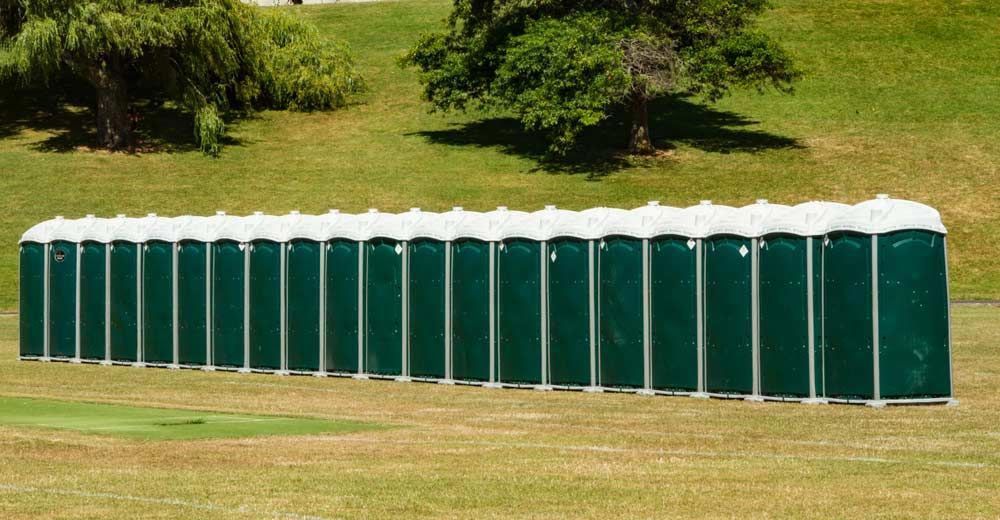
It starts the same way most site problems start: someone notices the smell first. Then the handwash runs low. Then the loo starts feeling “full” long before it should. Portable toilets are built to handle tough conditions, but they are not designed to run indefinitely without servicing.
Routine portaloo pumping is what keeps the unit hygienic, usable and fit for day-to-day traffic. It also protects the internal seals, valves and tank from build-up that can turn a simple service visit into a much bigger clean-up.
If you are organising facilities for a worksite, event or property, the goal is simple: keep the toilet pleasant to use and prevent downtime. A reliable pumping schedule is the easiest way to do that, and it pairs naturally with regular cleaning, restocking and planned changeovers.
This guide walks through why routine portaloo pumping matters, what a proper service includes, and how to set a schedule that matches real site use. We’ll explain the early warning signs, the practical value of pump outs and how to avoid the costs that come from leaving it too late.
The “It’ll Be Right” Trap: How Problems Build Quietly Over a Few Days
Portaloo issues rarely appear all at once. They build from small warning signs that are easy to ignore until you are suddenly scrambling for an urgent service. In busy periods, that slide from “a bit off” to “unusable” can happen faster than most people expect. Those early warning signs are often dismissed because the unit is still technically usable, which is why problems tend to escalate before action is taken.
- Odours, splashing and poor flushing often show up before the tank is truly full
- Heavy use on consecutive days can outpace what the unit was set up for
- Delaying pump-outs increases the chance of leaks, blockages and messy overflows
What Routine Pumping Actually Does (It’s Not Just Emptying a Tank)
A proper pump-out is about removing waste, but it also resets the unit so it can keep operating safely and comfortably. This reset helps prevent gradual performance decline that users often notice before they realise servicing is overdue. It also helps keep odours, flushing and overall cleanliness more consistent between visits, especially on high-use days.
- Waste is removed and the holding tank is cleared of thick build-up
- Internal components are checked for signs of wear or blockage
- Servicing can be paired with cleaning and consumable restocks for continuity
Matching the Pumping Schedule to Real Usage, Not Guesswork
The right schedule depends on traffic, weather and how the toilet is being used, not the calendar on its own. When the schedule matches real conditions, you avoid last-minute call-outs and keep the unit consistently usable for everyone on site.
- High-traffic sites need shorter intervals, even if the unit “seems fine”
- Warm, humid days can intensify odours and accelerate bacterial activity
- Usage spikes (concrete pours, peak event hours, school holidays) should be planned for
Hygiene On-Site: Keeping Facilities Acceptable for Workers and Visitors
People notice amenities. When toilets are neglected, it reflects on the organiser, not the portaloo. It can also lead to complaints, poor behaviour around the unit, or people avoiding it altogether. Routine pump-outs help keep conditions steady day to day, rather than letting hygiene slide until it becomes an obvious problem.
- Regular pump-outs reduce odour, splashing and contamination risks
- Clean, well-serviced units help people use the facilities provided
- Routine servicing supports consistent cleaning standards across longer hires
Preventing Breakdowns: Protecting Valves, Seals and the Tank Itself
When a portaloo is left too long, waste thickens and materials that should not be inside the unit start to cause mechanical issues. Over time, this build-up reduces the system’s tolerance and makes even minor faults more likely to turn into full failures.
- Build-up can affect flushing and lead to internal blockages
- Extra strain on seals and valves increases the chance of leaks
- Preventative pump-outs are typically simpler than emergency call-outs
The Hidden Cost of Leaving It Too Late
Most people think they are saving money by stretching the time between services. In reality, delays can create extra labour and disruption. Once a unit tips past a manageable point, the work required to restore it is rarely quick or straightforward.
- Overfull units can require additional cleaning time and stronger deodour treatments
- Sites may need temporary shut-downs or swap-outs to keep facilities usable
- A routine schedule is easier to budget for than urgent, reactive servicing
Waste Handling Matters: Why Professional Pumping Is the Practical Option
Portable toilet waste needs to be handled and transported responsibly, with the right equipment and processes. It is not just about emptying a tank, but about managing waste in a way that protects people on site and the surrounding environment. Using trained operators also reduces the risk of contamination or compliance issues during removal and disposal.
- Professional pumping reduces the risk of spills, exposure and unsafe handling
- Purpose-built equipment makes servicing faster and cleaner on-site
- Waste services can often be coordinated with related work like septic pumping or collection runs
A Simple Routine That Keeps Everything Running Smoothly
The best results come from treating portaloo servicing like any other site essential: schedule it, track it and adjust when conditions change. A consistent routine prevents the slow slide into “we’ll deal with it later” territory, where small issues become urgent problems. It also makes it easier to coordinate pump-outs around site access, deliveries and busy periods without disrupting the workday.
- Set an initial service cadence, then refine it based on real usage
- Build in flexibility for weather, access changes and higher-than-expected traffic
- Keep a contact-ready plan for extra pump-outs during peak periods
We at Luck’s Waste Removal & Septic Pumping provide portaloo pumping and hire, plus supporting services like septic pumping and waste collection, so sites can keep facilities running without last-minute scrambles. If you are organising portaloo hire in the Northern Rivers and want a pumping schedule that matches real site usage, book ahead and adjust as your project changes.
For local jobs, being based in Casino means servicing plans can be set up with the practical realities of regional access, wet weather and fluctuating site numbers in mind, especially across the Northern Rivers. It also makes it easier to keep servicing consistent across longer hires, with fewer last-minute changes when conditions shift. If you are planning a busy period or a multi-day run, booking ahead helps lock in a schedule that matches real usage. Get started at https://www.luckswasteremoval.com.au/.